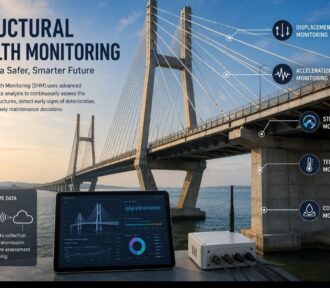
Structural Health Monitoring involves the systematic observation of a structure throughout its service life to determine whether it continues to perform as intended.
Structures from first principles!
Structural Health Monitoring involves the systematic observation of a structure throughout its service life to determine whether it continues to perform as intended.

Constructability is a fundamental aspect of structural design that ensures engineering solutions are practical, efficient, safe, and economical to build.
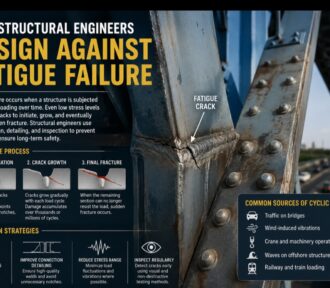
Fatigue failure differs fundamentally from conventional structural failure because it develops gradually through repeated loading rather than a single overload event.
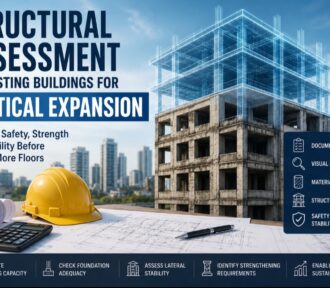
Vertical expansion offers an attractive solution for increasing usable space without acquiring additional land, but it introduces substantial structural demands that cannot be ignored.
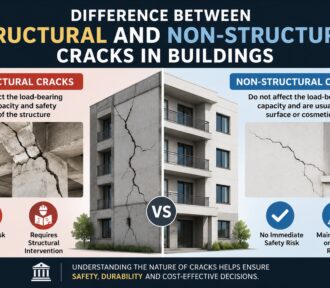
The difference between structural and non-structural cracks lies not in appearance but in engineering behavior. Structural cracks indicate stress conditions that exceed safe limits, while non-structural cracks reflect normal material responses to environmental and time-dependent effects.
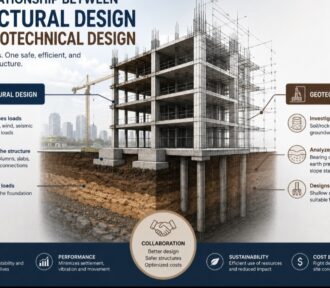
Every structural load eventually reaches the ground, and every ground movement influences the structure. This simple reality makes collaboration between structural and geotechnical engineers essential to successful project delivery.
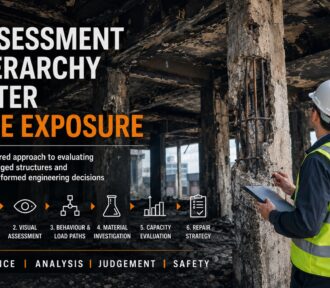
Assessment of fire-exposed structures is not a single investigation but a progressive process through which uncertainty is systematically reduced. Each stage builds upon the information obtained during the previous stage, creating a logical hierarchy that guides engineers from initial safety concerns to final repair decisions
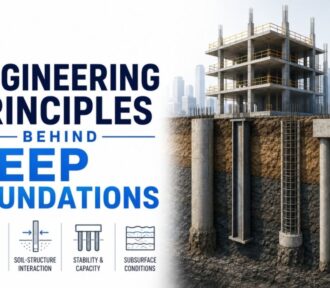
deep foundation is a foundation system that transfers structural loads to deeper layers of soil or rock that possess sufficient strength and stiffness to support the structure.
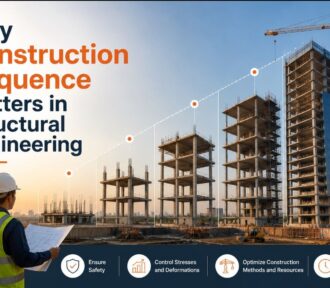
understanding construction sequence allows engineers to anticipate temporary conditions, manage risks, and ensure that structural safety is maintained from the first stage of construction to the completed project