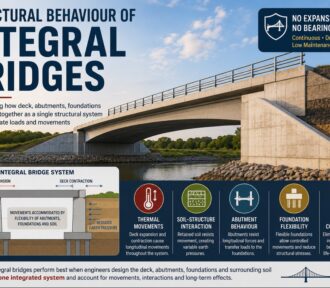
Designing an integral bridge requires engineers to consider the interaction of multiple structural and geotechnical factors rather than designing each component independently.
Structures from first principles!
Designing an integral bridge requires engineers to consider the interaction of multiple structural and geotechnical factors rather than designing each component independently.

Belt trusses have become one of the defining structural systems in modern high-rise engineering because they significantly enhance the lateral behaviour of tall buildings without requiring excessive increases in member sizes.

Selecting the most appropriate rehabilitation method requires a thorough understanding of the bridge’s structural condition and operational requirements. Engineers must first identify the causes of deterioration before determining the most effective solution.

Structural Health Monitoring involves the systematic observation of a structure throughout its service life to determine whether it continues to perform as intended.
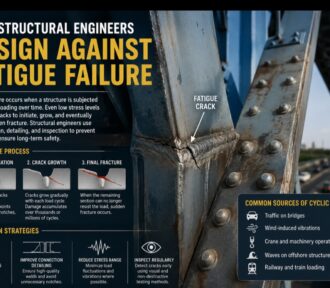
Fatigue failure differs fundamentally from conventional structural failure because it develops gradually through repeated loading rather than a single overload event.

Every structural load eventually reaches the ground, and every ground movement influences the structure. This simple reality makes collaboration between structural and geotechnical engineers essential to successful project delivery.
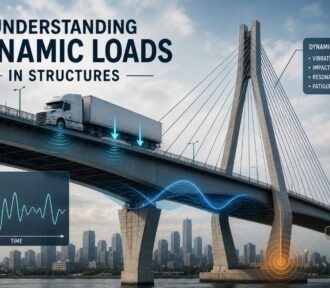
The response of a structure under dynamic conditions is influenced by mass, stiffness, damping, and the characteristics of the applied load.
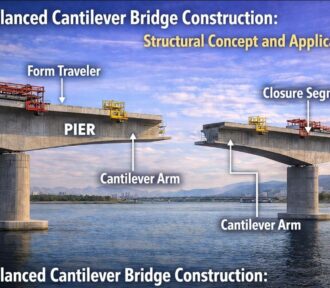
This technique has been widely used in modern bridge engineering, particularly for prestressed concrete box girder bridges.
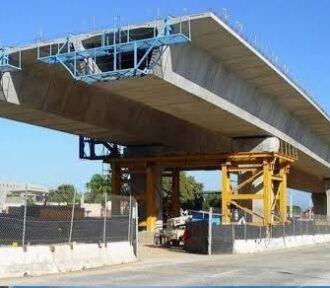
Box girder bridges represent one of the most efficient and widely used structural systems in modern bridge engineering.
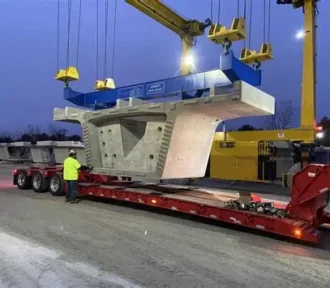
Many major bridges around the world now rely on the Segmental bridge construction method. This is because it offers advantages in terms of structural efficiency, construction speed, and adaptability to difficult site conditions.