![[Update] A Background to Piling](https://structurescentre.com/wp-content/uploads/2021/05/images-21-330x288.jpeg)
Piling is one of the oldest types of foundation technique known to mankind. Its principle is based on transferring the loads from a structure through…
Structures from first principles!
Piling is one of the oldest types of foundation technique known to mankind. Its principle is based on transferring the loads from a structure through…

A fee proposal is an engineer’s ‘offer’ to undertake a predefined work for a defined fee and it is usually for the client to either accept or reject this offer. To give legal certainty to the offer, the following six items need to be defined in the proposal or an attached document.
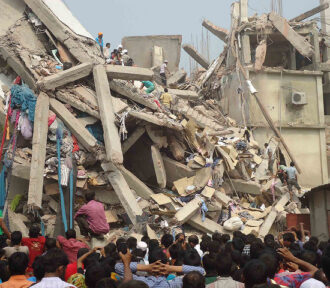
As with almost every structural failure, it is the human factors that holds answers as to why the opportunity to forestall the failure was missed. In this article the role played by human factors in structural failures is explored.
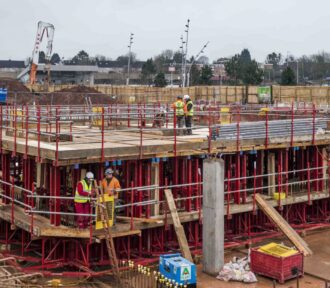
This article aims to introduce the concept of temporary works. How the design of temporary works differs from permanent works and the interplay that exist between temporary works engineer and the permanent works engineer.
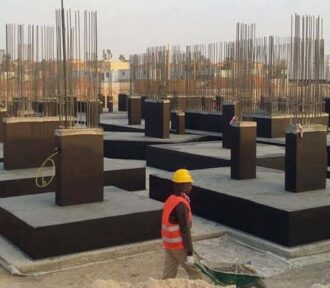
Foundation design has traditionally been conducted using the permissible stress method with the application of a global factor of safety. With the introduction of Eurocode 7, however, a distinctive design philosophy was presented, one that is based on the application partial factors. Thus, this article aims to investigate if higher bearing capacity values can be justified to Eurocode 7.

The second part of the article on Reuse and Refurbishment of existing building explores how the structural engineer can maximize the identified opportunities through design.

Inspection of activities on a site during construction is a very high-risk operation requiring expertise and experience. Site inspections are of paramount significance as they aim to minimize the risk of accidents arising within the construction site…

This article examines ways in which a structural engineer can identify the potentials for reuse and refurbishment of buildings at the early conceptual design stages

This article highlights some of the factors affecting the choice of engineering software and things the structural engineer must look out for when selecting a certain software for use.
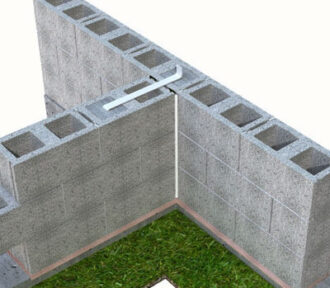
This article describes the process of designing a laterally loaded masonry wall to Eurocode 6. It will highlight masonry and the relationship between its geometry, support condition and material properties when used as a structural material.