
This article discusses the design of timber connections to Eurocode 5. It contains worked example illustrating the design of screw connections.
Structures from first principles!
This article discusses the design of timber connections to Eurocode 5. It contains worked example illustrating the design of screw connections.

This article discusses movement joints, the justification for their introduction in concrete buildings and the types encountered in practice. Concrete, as a building material, possesses…
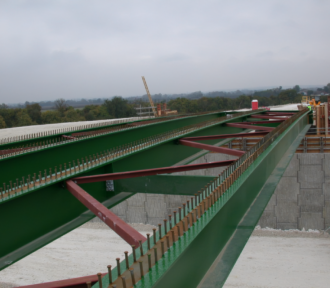
This article offers guidance and recommendations on the design of shear connections for composite beams to Eurocode 4

This article presents the design of welded connections in steel structures to Eurocode 3 and a worked example on the subject.
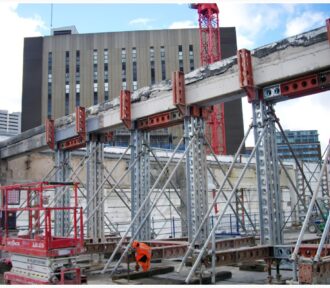
This article explains some of the key technical issues around PAS 8812 – the current guide on temporary works design to European standards.
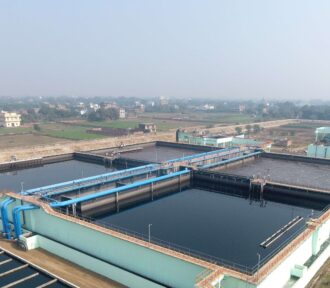
This article highlights some of the salient aspects of the design and construction of liquid-retaining structures in reinforced concrete

This article highlights the timelines for releasing the second generation of the Eurocodes in the evolution program of the Eurocodes structural codes and UK strategy to implementing the expected changes.

This article explores the design of posttensioned flat slab based on Eurocode 2 using a practical worked example
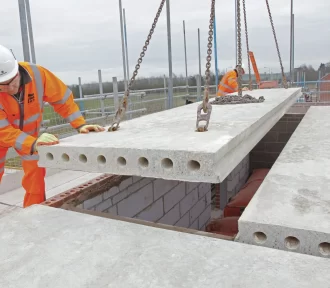
This explores the design consideration and distinctions that exists when designing composite steel structures that utilizes precast concrete unit in place of in-situ concrete for flooring.

This article highlights the advantages of composite metal steel deck over traditional concrete slab in composite steel construction and offers guidance on their design to Eurocode 4.