
This technique has been widely used in modern bridge engineering, particularly for prestressed concrete box girder bridges.
Structures from first principles!
This technique has been widely used in modern bridge engineering, particularly for prestressed concrete box girder bridges.
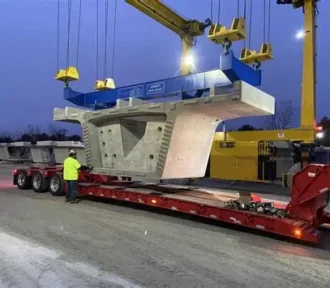
Many major bridges around the world now rely on the Segmental bridge construction method. This is because it offers advantages in terms of structural efficiency, construction speed, and adaptability to difficult site conditions.

The catastrophic collapse of Rana Plaza in Bangladesh on 24 April 2013 stands as one of the most pivotal industrial disasters of the twenty‑first century. Beyond its tragic human toll, the event exposed critical failures in structural design, regulatory oversight, workplace safety, global supply chains, and corporate responsibility.

Structural joints are not secondary details; they define how structures behave. Pinned, rigid, and semi-rigid joints determine internal force distribution.

Differential temperature effects are silent but powerful forces in long-span bridges. Unlike traffic load, temperature acts every day and affects the entire structure.

This article explores how wind loads affect bridges, and practical strategies for safer, resilient structures.

A practical guide to beam, arch, suspension, and cable-stayed bridges

This article examines how and why pile capacity is frequently controlled by construction rather than soil mechanics, and why engineers must treat piling

This article takes a direct position: if uplift governs, bearing capacity becomes irrelevant beyond equilibrium.

This article explores the effect of contractual terms and liability in engineering professional appointments