
The inspection and repair of cantilever stone staircases require methodical approaches that respect the historic fabric. Early assessment of structural behavior, potential failure mechanisms, and previous repairs is vital.
Structures from first principles!
The inspection and repair of cantilever stone staircases require methodical approaches that respect the historic fabric. Early assessment of structural behavior, potential failure mechanisms, and previous repairs is vital.

This article examines the technical causes of failure in freestanding walls, retaining walls, motorway signage, vehicle barriers, lighting columns, cantilever masts, and tower crane foundations.

This article explores the differences, applications, practical considerations, and limitations of linear and nonlinear structural analysis methods.
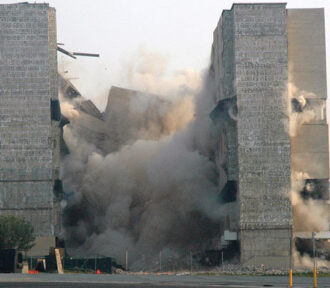
This article explains principles, design methodologies, analysis techniques, failure modes, code provisions, and practical strategies against the disproportionate collapse of structures.
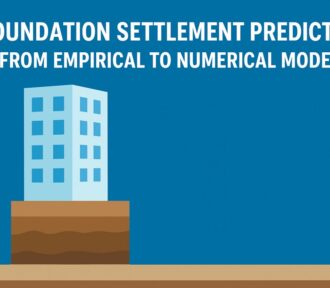
This article explores the evolution and current state of foundation settlement prediction. It compares empirical, analytical, and numerical approaches, identifying their strengths, assumptions, and application contexts.
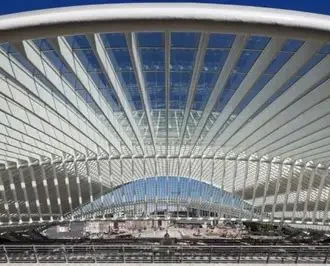
This article explores how roof geometry shapes strength, span capacity, and stability in large structural designs
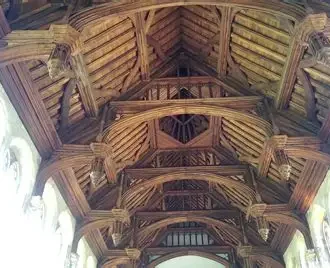
Roof structures chart the progress of engineering across history. From primitive shelters to advanced digital designs, each generation expanded the possibilities of enclosing space.

Whether dealing with reinforced concrete, steel, timber, or masonry, engineers must adapt strategies to each material’s strengths and limitations. This article examines strengthening principles and methods for all major structural types.
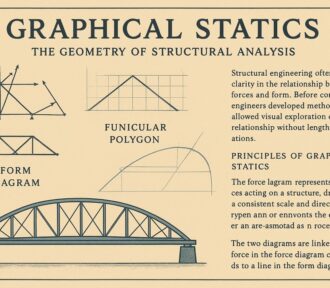
While modern finite element analysis dominates practice, the logic of graphical statics underpins structural engineering intuition, making it a foundational skill for the well-rounded engineer.

This article explains how to model structures realistically within static linear assumptions. It focuses on boundary conditions, load application, geometry simplifications, and model stability.