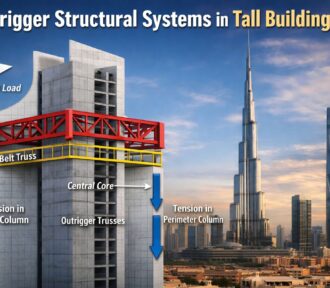
Outrigger structural systems represent a key innovation in the design of tall buildings. By linking the core to perimeter columns, they transform structural behaviour, reduce…
Structures from first principles!
Outrigger structural systems represent a key innovation in the design of tall buildings. By linking the core to perimeter columns, they transform structural behaviour, reduce…
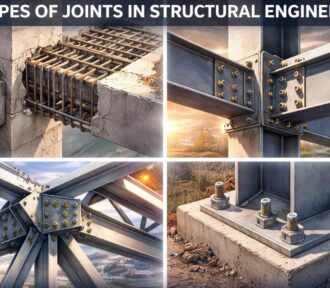
Structural joints are not secondary details; they define how structures behave. Pinned, rigid, and semi-rigid joints determine internal force distribution.
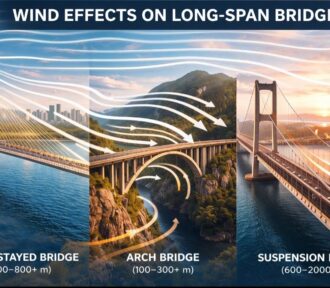
This article explores how wind loads affect bridges, and practical strategies for safer, resilient structures.

Dynamic loads are forces that act on a structure and vary over time. Unlike static loads, they induce acceleration, vibration, and in some cases resonance.

This article examines construction tolerances from a structural perspective, not as workmanship trivia but as parameters that can materially alter structural behaviour.
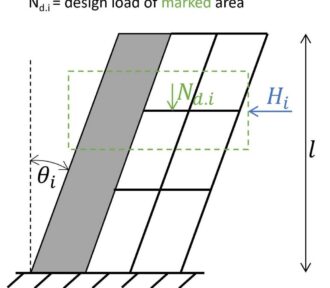
This article examines what imperfections are, why they matter, how they influence structural behaviour, Structural analysis is often taught and presented as a clean, mathematical…

This article examines temporary works risks specific to precast concrete construction.
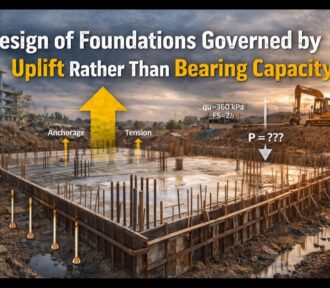
This article takes a direct position: if uplift governs, bearing capacity becomes irrelevant beyond equilibrium.

This article sets out a practical methodology for the analysis and design of guyed towers in accordance with European practice.

Eurocodes have changed how pile loads are presented and how pile resistances are designed. The UK Federation of Piling Specialists developed the E-Pile Schedule to meet these new requirements. This article explains the benefits of using a standard pile schedule for Eurocode design.