
This article examines how and why pile capacity is frequently controlled by construction rather than soil mechanics, and why engineers must treat piling
Structures from first principles!
This article examines how and why pile capacity is frequently controlled by construction rather than soil mechanics, and why engineers must treat piling
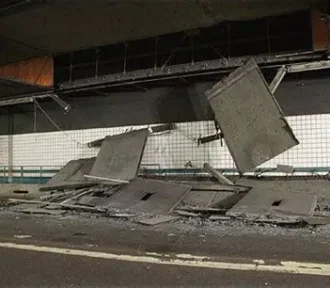
This article examines the I-90 Tunnel collapse as a methodological failure rather than a singular technical mistake. It explores how design assumptions, specification gaps, material behaviour, organisational fragmentation, and missed warning signs aligned over time.

This article examines the technical causes of failure in freestanding walls, retaining walls, motorway signage, vehicle barriers, lighting columns, cantilever masts, and tower crane foundations.

This article explores the hidden risks beneath foundations and how to avoid them before they become fatal
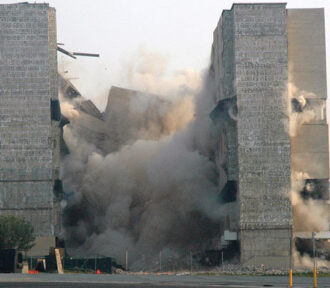
This article explains principles, design methodologies, analysis techniques, failure modes, code provisions, and practical strategies against the disproportionate collapse of structures.
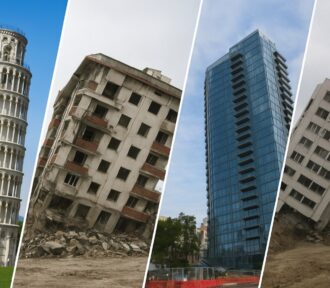
This article reviews several well-known foundation failures across the world. Each example provides insight into the causes of failure and how engineers responded.
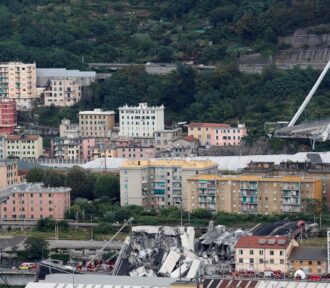
The Morandi Bridge collapse serves as a powerful reminder that innovation must always align with durability, redundancy, and maintainability

Roof structures chart the progress of engineering across history. From primitive shelters to advanced digital designs, each generation expanded the possibilities of enclosing space.
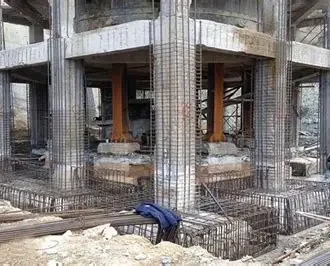
Column jacketing improves structural performance in several keyways. It restores or increases axial load capacity, enhances shear resistance, and improves confinement.
This article examines how poorly executed temporary works introduce permanent damage. Temporary works remain a critical phase in construction. Their function seems short-lived, but their…