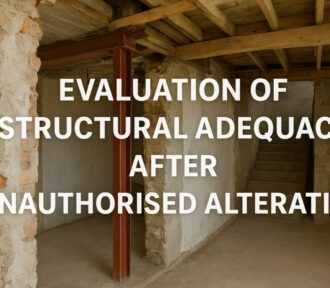
Evaluating structural adequacy after unauthorised alterations demands a balance of investigative precision and engineering experience.
Structures from first principles!
Evaluating structural adequacy after unauthorised alterations demands a balance of investigative precision and engineering experience.
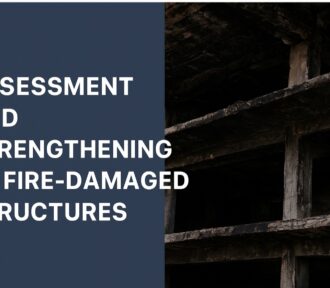
This article explores the assessment of structures damaged by fire as well as the measures available to strengthen them for reuse
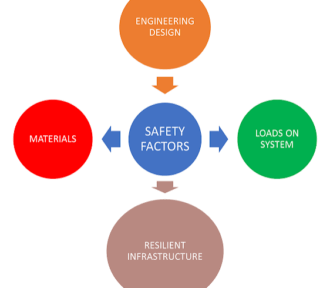
This article explains the full concept of partial factors, their development, calibration, and application across different materials and load types.
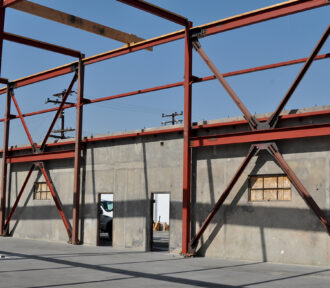
Lateral stability is a fundamental requirement for every steel frame. It ensures that structures resist horizontal forces, maintain alignment, and perform reliably throughout their service life.
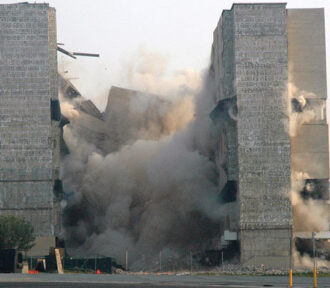
This article explains principles, design methodologies, analysis techniques, failure modes, code provisions, and practical strategies against the disproportionate collapse of structures.

Heritage arches embody cultural significance beyond structural purpose. Their conservation extends history, identity, and local character. Assessing their capacity ensures public safety and heritage continuity
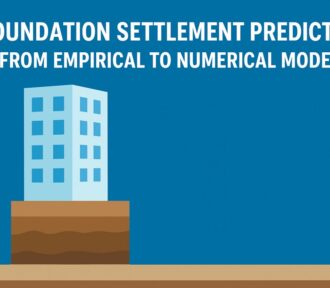
This article explores the evolution and current state of foundation settlement prediction. It compares empirical, analytical, and numerical approaches, identifying their strengths, assumptions, and application contexts.

This article reviews several well-known foundation failures across the world. Each example provides insight into the causes of failure and how engineers responded.

The Morandi Bridge collapse serves as a powerful reminder that innovation must always align with durability, redundancy, and maintainability
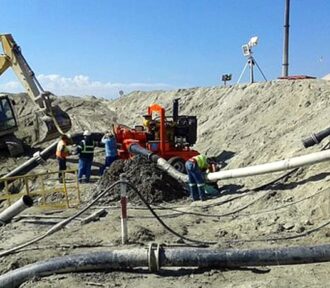
Designing foundations for challenging ground conditions requires technical skill, sound judgment, and deep respect for the ground’s complexity. Every problematic soil type presents its own difficulties, from compressibility to swelling or collapse.