
This article explores the effect of contractual terms and liability in engineering professional appointments
Structures from first principles!
This article explores the effect of contractual terms and liability in engineering professional appointments
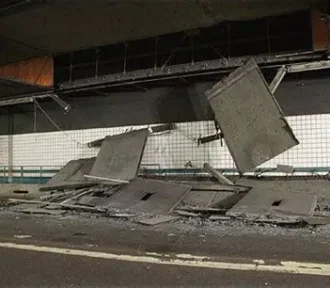
This article examines the I-90 Tunnel collapse as a methodological failure rather than a singular technical mistake. It explores how design assumptions, specification gaps, material behaviour, organisational fragmentation, and missed warning signs aligned over time.

This article explains crane safety in practical terms. It describes common crane types, how they work, and the main risks involved.

Eurocodes have changed how pile loads are presented and how pile resistances are designed. The UK Federation of Piling Specialists developed the E-Pile Schedule to meet these new requirements. This article explains the benefits of using a standard pile schedule for Eurocode design.
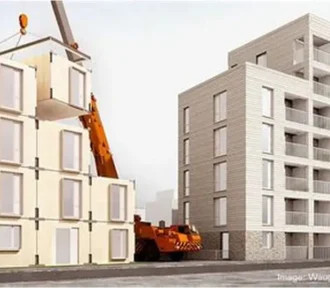
This article examines how MMC restructures professional indemnity risk for designers. It explains the mechanisms through which liability expands, rather than listing abstract concerns.

This article examines how second-generation Eurocode 2 facilitates assessment of existing reinforced concrete structures.

The inspection and repair of cantilever stone staircases require methodical approaches that respect the historic fabric. Early assessment of structural behavior, potential failure mechanisms, and previous repairs is vital.

This article examines the technical causes of failure in freestanding walls, retaining walls, motorway signage, vehicle barriers, lighting columns, cantilever masts, and tower crane foundations.
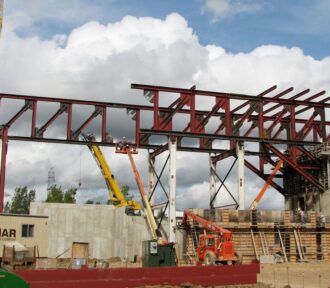
This article explores the planning, design considerations and construction requirements of vertical cantilever structures.

This article explores how to integrate structural elements within complicated facade designs. It explores the complexities involved with planning, coordination, and collaboration Buildings are evolving…