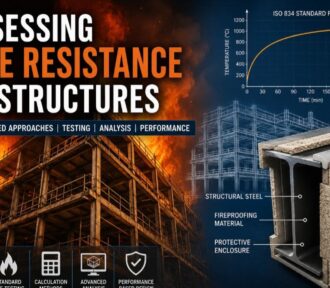
Fire is one of the most severe accidental actions that a structure may experience during its service life. Unlike conventional design loads such as dead,…
Structures from first principles!
Fire is one of the most severe accidental actions that a structure may experience during its service life. Unlike conventional design loads such as dead,…

Constructability is a fundamental aspect of structural design that ensures engineering solutions are practical, efficient, safe, and economical to build.
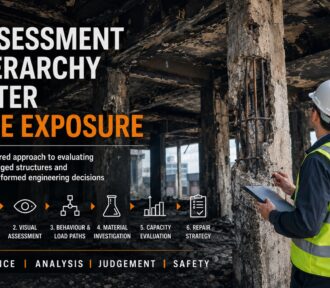
Assessment of fire-exposed structures is not a single investigation but a progressive process through which uncertainty is systematically reduced. Each stage builds upon the information obtained during the previous stage, creating a logical hierarchy that guides engineers from initial safety concerns to final repair decisions
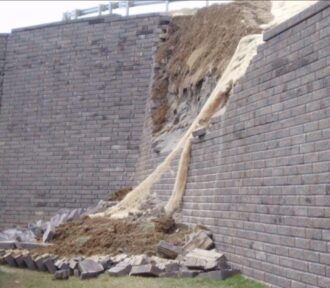
A properly designed retaining wall should never rely solely on structural strength. Drainage is an essential part of the structural system. A retaining wall may…
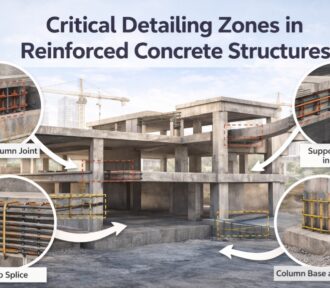
Critical detailing zones are regions within a structural member where stress concentrations, force transfers, or geometric discontinuities occur.
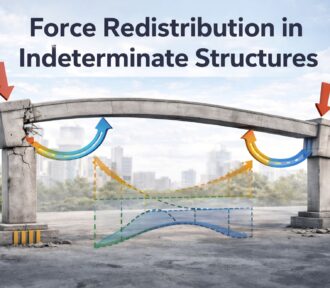
Force redistribution is a defining feature of indeterminate structures, enabling them to adapt to changes in stiffness, material behaviour, and loading conditions.
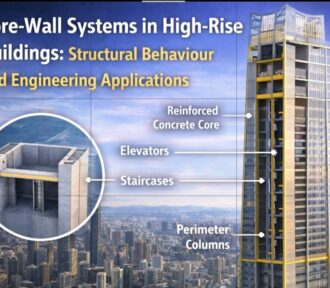
Core-wall systems are used extensively in modern high-rise buildings due to their effectiveness and practicality. They form the backbone of many structural systems, providing
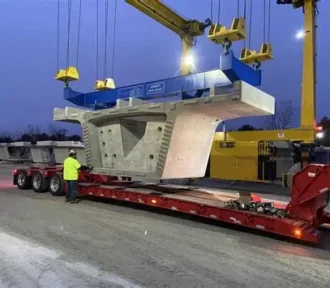
Many major bridges around the world now rely on the Segmental bridge construction method. This is because it offers advantages in terms of structural efficiency, construction speed, and adaptability to difficult site conditions.
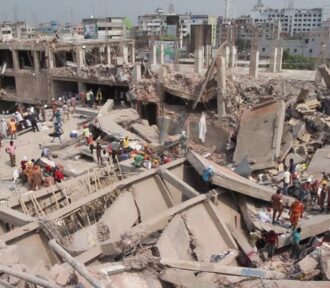
The catastrophic collapse of Rana Plaza in Bangladesh on 24 April 2013 stands as one of the most pivotal industrial disasters of the twenty‑first century. Beyond its tragic human toll, the event exposed critical failures in structural design, regulatory oversight, workplace safety, global supply chains, and corporate responsibility.
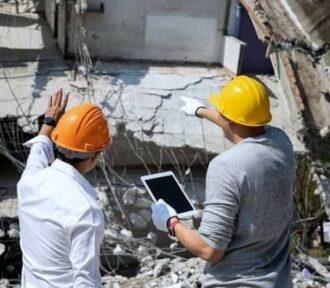
Forensic engineering transforms structural failure from tragedy into knowledge. It demands patience, scientific discipline, and unwavering commitment to truth.