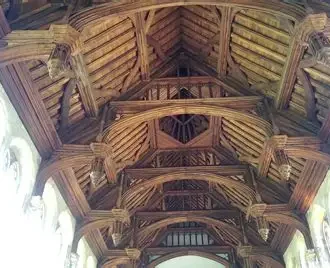
Roof structures chart the progress of engineering across history. From primitive shelters to advanced digital designs, each generation expanded the possibilities of enclosing space.
Structures from first principles!
Roof structures chart the progress of engineering across history. From primitive shelters to advanced digital designs, each generation expanded the possibilities of enclosing space.

This article explores causes, progression, detection, remediation, and prevention of reinforcement corrosion. It aims to give engineers a clear background for design, maintenance, and repair decisions.
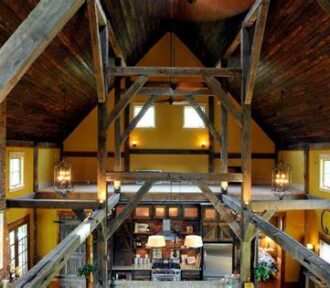
The central objective in heritage engineering is to preserve fabric wherever possible. Floor systems embody original workmanship and character and once lost they cannot be replaced without loss of authenticity.
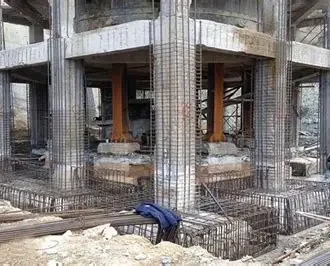
Column jacketing improves structural performance in several keyways. It restores or increases axial load capacity, enhances shear resistance, and improves confinement.

Whether dealing with reinforced concrete, steel, timber, or masonry, engineers must adapt strategies to each material’s strengths and limitations. This article examines strengthening principles and methods for all major structural types.
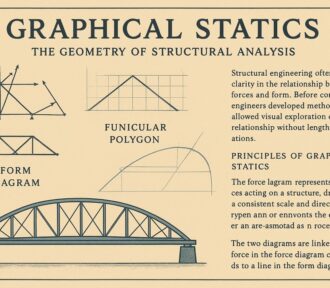
While modern finite element analysis dominates practice, the logic of graphical statics underpins structural engineering intuition, making it a foundational skill for the well-rounded engineer.
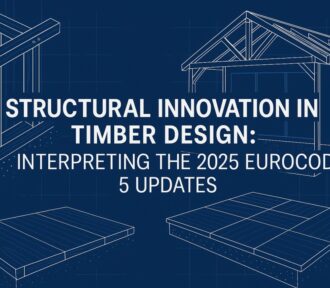
This article explores the major updates that affect structural engineers working on timber frame designs. It focuses on shear transfer mechanisms, racking wall performance, enhanced connection modelling, and service life provisions.

This article explains how to model structures realistically within static linear assumptions. It focuses on boundary conditions, load application, geometry simplifications, and model stability.

Parametric design and visual scripting form a methodological bridge between conceptual intent and structural performance. These tools encode decisions, by transforming repetitive modelling into intelligent systems that adapt to constraints and goals.
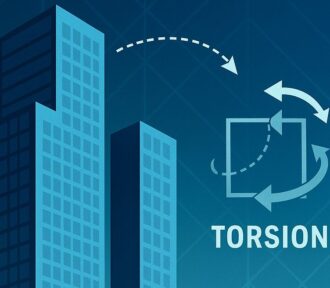
Torsion is a fundamental aspect of structural behaviour. In asymmetric buildings, it becomes a governing factor. It alters load paths, stresses, and deformation.