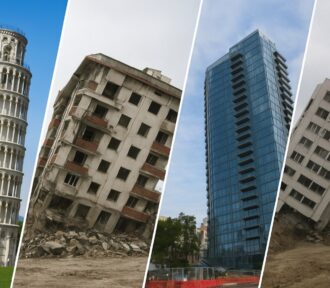
This article reviews several well-known foundation failures across the world. Each example provides insight into the causes of failure and how engineers responded.
Structures from first principles!
This article reviews several well-known foundation failures across the world. Each example provides insight into the causes of failure and how engineers responded.
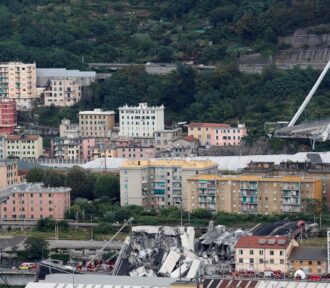
The Morandi Bridge collapse serves as a powerful reminder that innovation must always align with durability, redundancy, and maintainability
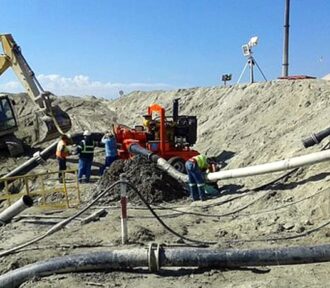
Designing foundations for challenging ground conditions requires technical skill, sound judgment, and deep respect for the ground’s complexity. Every problematic soil type presents its own difficulties, from compressibility to swelling or collapse.

This article explores negative skin friction in depth, highlighting causes, mechanisms, calculations, and practical design strategies.

The purpose of this article is to present a 10-point fast audit framework. Each point addresses a vital area of structural safety that can be checked quickly on site.
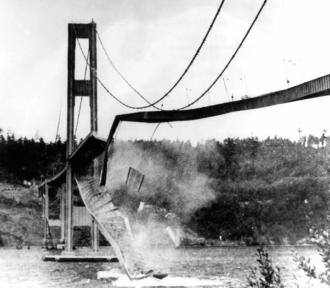
This article explores several engineering disasters that reshaped building codes forever.

This article explores how roof geometry shapes strength, span capacity, and stability in large structural designs

This article explores the three most significant systems used in tall buildings: moment-resisting frames, shear walls, and tubular structures.

Historic masonry structures deserve careful protection. Their cultural, architectural, and social significance makes their preservation a shared responsibility. Non-invasive appraisal methods offer a powerful balance between knowledge and respect.
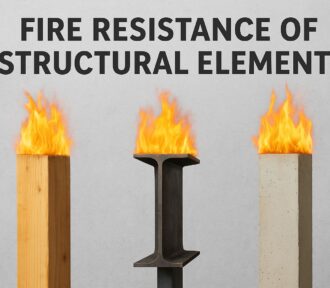
Fire exposes the weaknesses of materials, turning concrete brittle, steel soft, and timber vulnerable