This article explores the planning, design considerations and construction requirements of vertical cantilever structures.
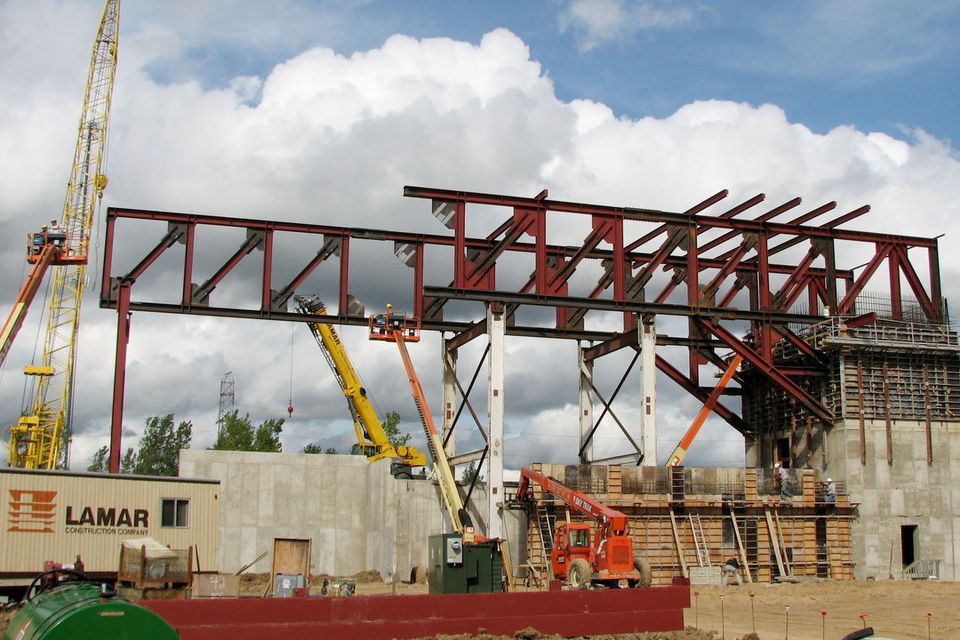
Vertical cantilever structures form a critical part of modern infrastructure. They include freestanding walls, retaining walls, highway signage, lighting columns, and tower crane foundations. These structures must resist operational loads, environmental forces, and accidental impacts. Their failure in high-traffic or sensitive areas can lead to property damage, operational disruption, or serious injury.
Cantilever structures inherently lack redundancy. A single failure point can compromise the entire system, threatening human life and surrounding infrastructure. This vulnerability makes precise design, installation, and maintenance essential. Engineers must treat every cantilever as a high-risk structure requiring detailed analysis and careful execution.
Designing a safe cantilever structure requires integrating site-specific conditions, material properties, and realistic loading scenarios. Soil bearing capacity, wind effects, thermal expansion, and exposure to chemicals or moisture influence structural performance. Neglecting any factor can create latent weaknesses that propagate into critical failures over time.
Durability and long-term performance also depend on proactive inspection and maintenance. Even the best-designed structure can fail if subjected to corrosion, fatigue, or improper loading. Owners and operators must implement structured monitoring and timely interventions to prevent progressive deterioration and ensure public safety.
Types of Cantilever Structures
Freestanding Walls and Parapets
Freestanding brick or block walls must resist lateral wind pressure, pedestrian or vehicular impact, and differential settlement. Engineers must account for thermal movement and moisture-induced expansion. Movement joints are essential in long walls to prevent cracking or overturning.
Designs should reflect site-specific soil properties. Even small variations in ground conditions can cause tilting, cracking, or foundation failure. Material selection must meet relevant standards for strength, durability, and environmental resistance. Bolted or reinforced connections between wall elements and foundations are crucial for long-term stability.
Retaining Walls
Retaining walls support soil loads that vary with moisture content, adjacent construction, and surcharge. Engineers must evaluate lateral pressure, hydrostatic forces, and potential settlement. Foundations must resist overturning, sliding, and bearing failure.
Connections between wall elements and foundations are critical. Improper anchoring or inadequate reinforcement can result in partial or total failure. Regular inspection identifies early signs of distress, such as cracking, bulging, or spalling. Correcting minor defects early prevents catastrophic consequences.
Highway Gantries, Signage, and Bollards
Cantilevered highway gantries, signal posts, and totem signage experience wind, traffic vibrations, and occasional impact. Designers must account for dynamic loads, fatigue, and extreme environmental events. Connections transfer loads to foundations. Improper installation or insufficiently tightened bolts can compromise safety.
Bollards or vehicle barriers, although smaller, are safety-critical. Weak or improperly installed connections reduce impact resistance, putting pedestrians and vehicles at risk. Maintenance teams must inspect anchorage points and joints regularly.
Lighting Columns
Lighting columns are exposed to wind, temperature fluctuations, and corrosion. Designers must account for lateral loads, fatigue, and environmental degradation. Protective coatings, galvanization, or corrosion-resistant materials extend service life. Regular inspections identify rust, bolt loosening, or structural deformation before failures occur.
Tower Crane Foundations
Tower crane foundations are highly critical. They must withstand concentrated loads and high bending moments. Soil conditions vary by site, so generic solutions are unsuitable. Designers must integrate ground investigation data, pile reinforcement specifications, and crane-leg interface checks.
Temporary construction loads and operational scenarios, such as lifting near capacity limits, require careful evaluation. Even minor miscalculations in foundation design can trigger catastrophic failure, endangering personnel and property.
Common Failure Scenarios
Failures typically occur where design, construction, and maintenance intersect. At the design stage, engineers sometimes omit worst-case load combinations or fail to validate assumptions about soil strength. Connection detailing may receive insufficient attention, increasing the likelihood of fatigue or loosening under dynamic loads. Long walls without movement joints can crack, bow, or overturn. Inexperience among designers compounds these risks.
During construction, improper execution introduces additional hazards. Bolts may be under-tightened, anchor fixings insufficient, or welds below specification. Exposure to moisture, chemicals, or environmental stress accelerates corrosion. Premature loading before materials reach design strength introduces permanent stresses. Even minor elements like handrails or baseplates become critical failure points if installed incorrectly.
Maintenance failures exacerbate risks. Cantilever structures degrade gradually due to corrosion, freeze-thaw cycles, UV exposure, and accidental impact. Without structured inspections, early defects remain unnoticed, potentially triggering sudden failures. Overloading walls or parapets without verifying design adequacy has led to multiple collapses. Structured inspections and timely maintenance prevent minor issues from escalating.
Extreme scenarios combine multiple risk factors. A crane foundation subjected to uneven loading or strong wind may exceed design limits. Misaligned handrail baseplates may convert fixed connections into pinned ones, reducing moment resistance. Anticipating such risks ensures structures remain safe under real-world conditions.
Competence and Responsibilities
Structural engineers hold primary responsibility for cantilever safety. They must integrate site conditions, material limitations, construction sequencing, and future maintenance requirements into their design. Even minor projects demand qualified engineers, including geotechnical expertise for foundation assessment. Independent verification reduces risk and validates assumptions.
Contractors share responsibility for correct execution. They must follow design specifications, manage temporary works, and verify connection integrity. Installation errors, such as loose bolts or misaligned baseplates, can compromise an entire structure. Close supervision and skilled personnel are essential.
Clients and asset owners also play a critical role. They must ensure clear communication between designers, contractors, and maintenance teams. They should maintain comprehensive documentation and allocate resources for inspection and upkeep. Early identification of safety-critical issues requires proactive collaboration among all stakeholders.
Design Considerations
Load Analysis and Material Selection
Cantilever design must consider all relevant loads, including wind, thermal effects, and operational impacts. Engineers must anticipate unforeseen scenarios, such as accidental vehicle impact or extreme weather. Material selection should reflect environmental exposure, structural requirements, and service life expectations. Steel, concrete, and masonry must meet performance standards and local regulations.
Structural analysis software assists modeling but cannot replace engineering judgment. Inputs, assumptions, and outputs must be validated against site-specific data. Independent reviews prevent errors or omissions that could compromise safety.
Foundation Design
Foundations represent the most critical part of cantilever structures. Tower crane foundations, in particular, require site-specific solutions that account for soil variability, pile reinforcement, and interface stresses. Generic designs fail to address site complexities. Temporary construction loads must also be evaluated to prevent accidental failure.
Connection Detailing
Connections transfer all loads and maintain structural continuity. Bolts, welds, and baseplates must comply with design specifications. Anti-vibration measures, including lock nuts or washers, prevent loosening. Even a single missing or loose bolt in a critical location can compromise structural integrity.
Temporary Works
Temporary conditions, such as heavy lifts or construction sequencing, affect cantilever safety. Designers must provide guidance on load limits, temporary supports, and safe construction methods. Contractors must follow these instructions precisely to prevent premature structural stress.
Installation and Construction
Construction must translate design intent into reality. Material quality, sequencing, and connection integrity are vital. Deviations introduce latent failures. Improper grouting under baseplates, loose bolts, or misaligned components reduce load capacity.
Quality assurance ensures installation accuracy. Contractors should implement method statements and hold points for critical tasks. Final inspections confirm compliance with design specifications. Premature loading before materials achieve design strength introduces irreversible stresses.
Minor elements, such as handrails or small signage, can create disproportionate risk if installed incorrectly. Four-bolt baseplates or perpendicular two-bolt configurations provide stability where moment resistance is critical.
Inspection and Maintenance
Inspection and maintenance programs extend the service life of cantilever structures. Routine inspections check visible components, principal inspections evaluate load-bearing elements, and special inspections address extreme conditions.
Health and safety files must include design calculations, material specifications, as-built drawings, key connection details, and maintenance manuals. Asset owners must maintain inspection logs and schedule timely repairs. Environmental exposure gradually reduces material strength. Protective coatings, bolt checks, and reinforcement of critical connections preserve serviceability.
Hot-dip galvanization extends bolt life to fifty years. Spun-galvanized connections may last only 10–15 years, depending on exposure. Maintenance regimes must reflect these differences. Even small cantilever elements, such as handrails or posts, require careful attention to prevent significant failures.
Conclusion
Vertical cantilever structures require meticulous attention at every stage. Engineers must integrate site-specific data, material behavior, environmental factors, and operational loads. Contractors must execute installation precisely, following verified connections and construction specifications. Asset owners must implement thorough inspection and maintenance programs and maintain accountability for all critical components.
Also See: Structural Safety of Cantilever Structures
Sources & Citations
- Shah, P. (2025) Safety of vertical cantilever structures: Part 1 – Good design practice and maintenance. The Structural Engineer, May 2025.
- Collaborative Reporting for Safer Structures (CROSS). (n.d.) CROSS Safety Reporting. Available at: www.cross-safety.org (Accessed: December 2025).
- Highways England. (2020-2024) Design Manual for Roads and Bridges. CD 350, CD 354, CD 365, CD 366, CS 450. Available at: www.standardsforhighways.co.uk (Accessed: April 2025).
- Brick Development Association (2012) Freestanding brick walls. London: BDA
