The inspection and repair of cantilever stone staircases require methodical approaches that respect the historic fabric. Early assessment of structural behavior, potential failure mechanisms, and previous repairs is vital.
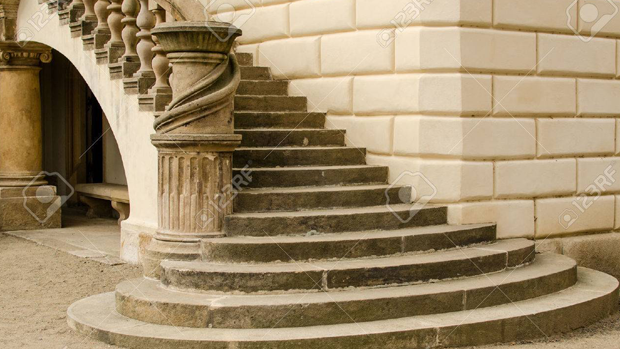
Historic buildings present unique challenges to engineers tasked with preserving structural integrity while maintaining the authenticity of original materials. Cantilever stone staircases, often key architectural features, combine aesthetic elegance with remarkable engineering. These stairs rely on intricate structural principles, including torsional restraint, rebated joints, and embedded balustrades, to remain stable under their own weight and imposed loads. However, the passage of time, environmental influences, and occasional overloading can compromise the stability of these structures, necessitating careful inspection and repair.
Cantilever stone staircases are particularly sensitive because each tread acts both as an individual element and part of an interdependent system. Every tread rests on the one below, relying on torsional restraint, wall connections, and, in some cases, wrought-iron frames to prevent tipping. This interdependence means that damage or deterioration in one component can affect the performance of the entire staircase. Understanding how historic construction methods, material properties, and prior interventions affect performance is essential for safe conservation.
The inspection and repair of cantilever stone staircases require methodical approaches that respect the historic fabric. Early assessment of structural behavior, potential failure mechanisms, and previous repairs is vital. Engineers must combine visual surveys, tactile testing, and historical research to identify areas of concern, such as fractured treads, loose balusters, or compromised wall connections. Accurate documentation, including sketch plans and vertical sections for each flight and landing, ensures that observations are recorded systematically and that repairs are appropriately targeted.
Structural Behavior and Key Elements
Cantilever stone stairs derive stability from several structural features. Each tread is prevented from tipping backwards by torsional restraints, often provided by the surrounding walls or, in certain designs, wrought-iron frames embedded between window reveals. Rebated joints between treads offer additional load-sharing mechanisms, distributing forces through plate action or compression along the flight plane. Tread cross-sections vary, ranging from rectangular or serpentine shapes to triangular sections, which are weaker and more prone to stress concentrations.
Landings and half-landings, from which stair flights spring, are rarely single slabs of stone. Instead, they typically consist of collections of slabs with rebated joints, perched on each other and anchored into wall corners. Occasionally, stone surfaces are supported by timber carriages beneath, which introduces further considerations for load transfer and long-term stability. Wrought-iron balustrades complete the staircase, with balusters set into pockets in the treads and caulked with lead. The balustrade functions as a safety belt, distributing loads from compromised treads to adjacent elements and mitigating the risk of catastrophic failure.
The geometry of cantilever stone stairs and the interaction between treads, landings, and balustrades creates complex stress paths. Engineers must appreciate that treads are not independent; their stability relies on the combined effects of torsional restraint, compression, plate action, and restraint from balustrades. Historic interventions, such as replacement veneers, infill, or repair of lead caulking, may alter these interactions, potentially concentrating stresses in vulnerable areas.
Inspection Techniques
Systematic inspection is essential to identify potential hazards before they manifest as structural failures. Surveying top surfaces, soffi ts, and under-stair spaces requires careful planning, often involving sketch plans for each flight and landing as well as vertical sections to maintain orientation.
Engineers should examine joints, treads, and balusters for signs of wear, damage, or movement. Loosening of lime-putty joints, indicated by cracked soffi ts or a hollow sound under heel-drop testing, suggests compromised tread connections. Heel-drop testing involves dropping one’s weight from the tiptoe onto the heel to detect hidden fractures or loose joints. This simple yet effective method can identify treads that may require further invasive investigation.
Tread nosings often receive repair interventions, such as new stone veneers, which can reduce effective structural sections and act as stress concentrators. Engineers must identify these areas and assess whether the repairs compromise the load-carrying capacity of the tread. Individual treads with cracks across their section may rely entirely on the balustrade for stability, highlighting the importance of inspecting baluster fixings, lead caulking, and handrail connections.
Spalled back edges of triangular-section treads, caused by excessive point loads from shims in rebated joints, are another common defect. Loss of torsional restraint, particularly at upper levels where supporting walls may have deteriorated or been modified, increases vulnerability. Inspectors should check for balustrade deficiencies, including cracked baluster pockets, missing balusters, loose lead caulking, loose top rails, and flexible wrought-iron frames where treads pass windows.
Historic factors such as bomb damage, subsidence, and relaxation of structural fabric can contribute to defects. Modern influences, including overloading from heavy equipment, furniture, or human traffic, may exacerbate existing weaknesses. Accurate recording of these conditions, combined with photographic evidence and annotated sketches, is crucial for planning effective repairs.
Repair Strategies
Fractured treads can often remain in place for years, provided they are adequately restrained by balusters. The balustrade acts as the primary secondary support, preventing treads from twisting or dropping. However, failure of baluster fixings can lead to catastrophic collapse due to the weight of individual stone treads.
Repair approaches must balance structural integrity with conservation principles. Replacement or consolidation of lead caulking, reinforcement of baluster pockets, and careful insertion of stainless-steel pins or dowels are commonly employed to restore secondary restraint. Engineers should avoid aggressive interventions that compromise historic fabric or alter the visual character of the staircase.
In some cases, treads may require temporary shoring during repairs to prevent movement. Specialist lifting or support systems can be employed to adjust or re-seat treads while maintaining torsional stability. Engineers must consider material compatibility, thermal expansion, and long-term durability when selecting adhesives, grouts, or reinforcement.
Monitoring after repair is essential. Regular inspections should verify that treads remain secure, balusters maintain their restraint function, and no new cracks or deformations have developed. Maintenance logs should be kept to document interventions and support future conservation efforts.
Case Studies and Lessons Learned
Historic buildings across Europe and the UK provide examples of best practices in cantilever stone staircase conservation. Buildings where balustrade restraint was properly maintained and lead caulking periodically renewed show remarkable longevity, even under heavy use. Conversely, staircases with neglected balusters, loose lead, or over-repaired treads exhibit progressive cracking, deformation, and, in extreme cases, partial collapse.
One noteworthy example involves a 17th-century municipal building where inspectors discovered multiple treads with compromised rebated joints. Detailed mapping, combined with heel-drop testing and baluster inspection, allowed engineers to design a minimally invasive repair strategy. Lead caulking was renewed, stainless-steel dowels discreetly inserted, and temporary shoring applied where necessary. The intervention preserved both structural stability and historical authenticity, illustrating the value of careful assessment and targeted repair.
These case studies highlight that successful conservation is not merely about replacing defective stone but understanding the complex interplay of historic construction methods, material behavior, and secondary restraint mechanisms. Engineers must anticipate how defects in one component can propagate through the system and develop repair strategies that address both immediate hazards and long-term durability.
Maintenance and Long-Term Considerations
Conservation engineers must consider ongoing maintenance as part of any intervention. Cantilever stone staircases require periodic inspection of joints, treads, and balustrades to detect early signs of deterioration. Environmental factors such as moisture ingress, freeze-thaw cycles, and corrosion of embedded metal components must be monitored.
Maintenance strategies should prioritize non-invasive techniques. Regular cleaning, careful re-pointing with compatible lime-based mortars, and selective reinforcement of weak treads or baluster pockets are preferred. Replacement of materials should match original properties to avoid introducing stress concentrations or differential movement.
Documentation of interventions is essential to support future inspections. Sketch plans, photographs, and detailed notes on materials, fixings, and previous repairs provide a valuable reference for ongoing conservation. Long-term monitoring, particularly in high-traffic or environmentally exposed locations, ensures that early signs of deterioration are addressed before they compromise structural safety.
Conclusion
Cantilever stone staircases represent a remarkable intersection of architecture and engineering. Their stability relies on careful interplay between treads, rebated joints, torsional restraints, landings, and balustrades. Historic interventions, environmental influences, and overloading can compromise these systems, necessitating expert inspection and repair.
Successful conservation demands thorough understanding of historic materials, meticulous survey techniques, and careful repair strategies that respect original construction while ensuring safety. Engineers must consider both immediate structural needs and long-term maintenance to preserve these architectural features for future generations. Case studies demonstrate that early assessment, careful documentation, and collaboration between conservation specialists, structural engineers, and craftsmen produce outcomes that maintain both authenticity and durability.
Also See: Appraisal of Non-Invasive Floor Systems – Non-Invasive Techniques
Sources & Citations
- Miller, J. (2025). Conservation Compendium, Part 5: Inspection and Repair of Cantilever Stone Staircases. London: Conservation Accredited Engineers.
- Building Research Establishment (BRE) (1994). Historic Masonry: Guidance for Inspection and Repair. Watford: BRE.
- Ashurst, J., & Ashurst, N. (2010). Practical Building Conservation, Vol. 4: Stone Masonry. London: Routledge.
- English Heritage (2006). Conservation Principles, Policies, and Guidance for the Sustainable Management of the Historic Environment. London: English Heritage.
- Structural Engineer (2024). Cantilever Stone Staircases: Technical Review and Conservation Guidance, 102(12), pp. 45–53.
