This article examines the technical causes of failure in freestanding walls, retaining walls, motorway signage, vehicle barriers, lighting columns, cantilever masts, and tower crane foundations.
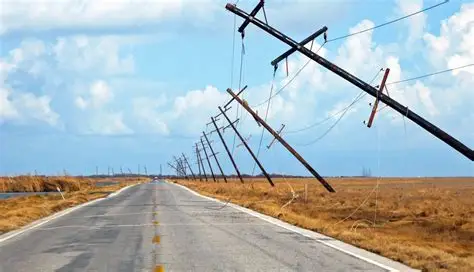
Cantilever structures remain inherently safety-critical due to their reliance on single-point support and the lack of redundancy in their foundations. Failure in such structures can lead to catastrophic consequences, including injury, property damage, or operational disruption. The design, installation, and maintenance of these structures require meticulous attention to detail. Even minor oversights can initiate progressive structural failure.
Part 1 of this series outlined design considerations of cantilever structures. It highlighted foundational stability, connection integrity, and the importance of inspection regimes. This article builds on that foundation by focusing on common defects, failure mechanisms, and root causes. Understanding these causes is essential for engineers, contractors, and asset owners to implement corrective measures and prevent structural failures.
Failures often stem from assumptions that go unverified during design or construction, poor workmanship, inadequate maintenance, or environmental exposure. Cantilever structures across different applications, from boundary walls to motorway gantries and tower crane foundations, share recurring failure patterns. Recognizing these patterns allows stakeholders to apply targeted interventions, maintain structural integrity, and extend service life.
This article examines the technical causes of failure in: freestanding walls, retaining walls, motorway signage, vehicle barriers, lighting columns, cantilever masts, and tower crane foundations. Each section explores structural vulnerabilities, environmental influences, installation challenges, and operational risks.
General Causes of Failure
Industry data from Collaborative Reporting for Safer Structures (CROSS) and National Highways identifies recurring issues in cantilever structures. Most failures occur due to design flaws, inadequate supervision, miscommunication, or maintenance deficiencies. Contractors often fail to follow specifications rigorously, while designers may reuse generic solutions without adapting them to site-specific conditions.
Software-based design tools accelerate the design process but introduce potential hazards if used incorrectly. Engineers who rely solely on automated outputs without critical review risk underestimating load effects or misrepresenting connection behavior. Independent verification of outputs is essential to ensure compliance with standards and local site conditions.
Temporary works are another critical factor. Cantilever foundations frequently require temporary supports during installation until the structure achieves sufficient strength. If temporary works are poorly designed or inadequately supervised, progressive failure can occur even before the cantilever carries its intended load.
Finally, unclear responsibility for inspection and maintenance often results in reduced monitoring. Small defects, such as minor cracks or corrosion, can propagate unchecked, significantly reducing the structure’s serviceable life.
Free-Standing and Parapet Walls
Freestanding parapet walls are inherently vulnerable due to their reliance on self-weight and limited lateral support. Wind loads induce tension within the masonry, and the addition of fences, hoardings, or other superimposed loads increases stress on the wall. Designers must carefully consider wind pressure, potential additional loads, and dynamic effects.
Premature loading is a frequent cause of early failure. If the wall is subjected to weight or lateral pressure before mortar achieves its design strength, cracks, deflection, or even partial collapse can occur. Deteriorated mortar or poorly mixed premixed mortar increases this risk. Temporary supports should be installed until the wall attains full design capacity.
Maintenance responsibility is critical. Owners or asset managers who do not conduct regular inspections may fail to detect early signs of structural compromise. Defects such as minor cracks, masonry displacement, or small deflections should trigger early interventions. Contractors lacking experience or technical training often fail to execute designs fully, leaving walls susceptible to progressive failure.
Environmental factors also play a role. Exposure to rainfall, freeze-thaw cycles, or water accumulation behind a parapet wall can increase hydrostatic pressure. Walls not designed for such conditions may deteriorate rapidly, emphasizing the need for site-specific design adjustments.
Retaining Walls – Brick and Concrete
Retaining walls face additional pressures due to soil loads and surcharge. Defects often arise from inadequate reinforcement, insufficient drainage, or improper compaction of backfill. Premature loading before achieving design strength can lead to deformation, cracking, and instability.
Design verification is critical. Misuse of structural analysis software may produce outputs that do not accurately reflect actual site conditions, leading to unsafe designs. Manual or independent checks are essential to validate software assumptions. Generic designs, if reused without adjusting for local conditions, further increase the risk of failure.
Brick retaining walls are particularly sensitive. Even minor overloads can induce structural cracking or collapse if reinforcement is insufficient. Lack of temporary supports during construction exposes walls to destabilization before achieving full strength. Basement retaining walls are especially vulnerable, as excavation behind the wall can significantly alter soil pressures. Temporary works design and supervision must be precise to prevent sudden failures.
Inspection and maintenance remain vital. Unclear ownership can result in sporadic inspections and missed maintenance opportunities, accelerating degradation. Failure to provide drainage behind a retaining wall can increase hydrostatic pressure, undermining foundations and leading to progressive settlement or tilt.
Motorway Signage, Signal Posts, Gantries, and Totem Structures
Cantilevered signage on highways is exposed to dynamic loads from wind, traffic turbulence, and occasional impact. Failures often result from inadequate site supervision, poor installation practices, corrosion, or fatigue. Even minor errors, such as missing lock nuts or improper bolt torque, can cause rotation or displacement of a structure.
Corrosion is a major contributor to structural degradation. If protective coatings are absent or incomplete, baseplates and bolts may fail in bending. This scenario has been observed in several UK motorway installations where sagging or rotation of signal structures required immediate intervention.
Designers must account for dynamic loading, including cyclical wind and traffic-induced vibration. Bolted connections require proper specification, installation, and inspection to ensure long-term integrity. Missing grout between baseplates and foundations or inadequate corrosion protection often leads to failures of holding-down bolts.
Operational maintenance is critical. Periodic inspections must identify early signs of movement, fatigue, or corrosion. Without proactive monitoring, small defects can escalate, leading to catastrophic failures and operational disruptions, including temporary traffic stoppages or unsafe conditions.
Vehicle Barriers and Bollards
Vehicle barriers and bollards encounter direct impact forces. Failures often occur when designs underestimate these forces or when materials fail to meet standards. Corrosion, particularly in steel hollow sections, weakens impact resistance and can lead to deformation under minor collisions.
Quality control during fabrication and installation is crucial. Barriers and bollards must adhere to relevant British Standards, including impact tests. Regular inspection and maintenance extend service life, identify fatigue or deformation, and ensure continued safety under operational loads.
Lighting Posts and Columns
Lighting columns face challenges from eccentric loading, often amplified by wind or accidental impact. Foundations require sufficient reinforcement to resist bending moments, and bolt fixings must meet minimum edge distance requirements. Failure to grout beneath baseplates or protect bolts exposes connections to environmental degradation, reducing load-carrying capacity.
Poor installation practices, such as misaligned bolts or inadequate tightening, can compromise structural stability. Contractors must adhere strictly to design specifications, and owners must implement periodic inspection programs to detect early corrosion, loosening, or concrete spalling.
Cantilever Masts
Telecommunications and other cantilever masts share similar vulnerabilities. Inadequate engagement of bolts, incorrect specification of baseplates, and environmental exposure can compromise stability. Improper installation of foundation concrete may result in uneven load distribution, increasing the risk of local failure.
Regular maintenance is essential. Corrosion, nut loosening, or fatigue in dynamic conditions can initiate failure. Pre-tensioning of bolts, verification of baseplate alignment, and ongoing monitoring prevent progressive damage. Installation should always be performed by trained personnel under competent supervision.
Tower Crane Foundations
Tower crane foundations are highly sensitive to design, installation, and operational errors. Inaccurate software calculations, inexperienced design teams, or unverified assumptions can compromise foundation stability. Wind loads, soil variability, and uneven load distribution require careful assessment.
Common defects include inadequate concrete compaction, low-quality materials, improper bolt engagement, and insufficient pile tensioning. Premature loading before the foundation reaches design strength can precipitate catastrophic failure.
Method statements must specify detailed quality assurance measures, including verification of concrete strength, bolt capacity, baseplate grouting, and pile reinforcement. Independent checks and competent supervision are mandatory to mitigate risks during installation and operation.
Software, Procurement, and Contractual Considerations
Reliance on software without understanding assumptions presents a significant risk. Designers must verify outputs, adjust for site-specific conditions, and incorporate independent checks.
Contractual arrangements also affect safety. Design-only, installation-only, or design-and-build contracts may create interface gaps. Designers, contractors, and clients must communicate responsibilities clearly to prevent omissions. Low design fees may restrict site visits, further increasing risk. Ensuring adequate budget and contractual scope for critical safety activities is essential.
Lessons Learned and Recommendations
Most failures arise from a combination of:
- Inadequate design verification
- Improper installation or workmanship
- Insufficient material quality
- Lack of supervision and inspection
Structural safety requires competent design, rigorous installation checks, clear maintenance responsibilities, and proactive monitoring. Small elements, such as bolts or base-plate orientation, significantly affect overall integrity. Early detection of defects ensures safe and cost-effective operation.
Conclusion
Cantilever structures are sensitive to minor errors at every stage of their lifecycle. Failures result from design assumptions, installation defects, material deficiencies, environmental exposure, and inadequate maintenance. Preventing failure requires collaboration between designers, contractors, and asset owners. Independent verification, site supervision, adherence to specifications, and systematic inspection programs ensure structural safety. Lessons from past failures must inform future designs to avoid repetition and enhance public safety.
Also See: Design and Maintenance of Vertical Cantilever Structures.
Sources & Citations
- Shah, P. (2025) ‘Safety of cantilever structures. Part 1: Good practice and maintenance’, The Structural Engineer, 103(5), pp. 28–32. https://doi.org/10.56330/DGUP4235
- Borthwick, A., Carpenter, J., Clarke, B., Falconer, R. & Wicks, J. (2013) ‘The importance of understanding computer analyses in civil engineering’, Proc. ICE – Civ. Eng., 166(3), pp. 137–143. https://doi.org/10.1680/cien.12.00038
- Brick Development Association (2012) Freestanding brick walls, London: BDA
- Collaborative Reporting for Safer Structures UK (2025) [Online] Available at: www.cross-safety.org/uk (Accessed: June 2025)
