
Raft and pile foundations approach the same problem from different directions. A raft foundation spreads structural load over a large surface area near the ground…
Structures from first principles!
Raft and pile foundations approach the same problem from different directions. A raft foundation spreads structural load over a large surface area near the ground…
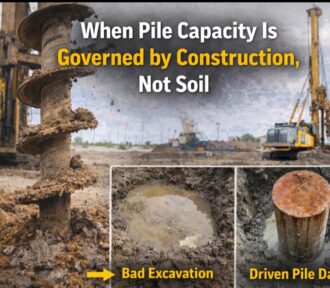
This article examines how and why pile capacity is frequently controlled by construction rather than soil mechanics, and why engineers must treat piling
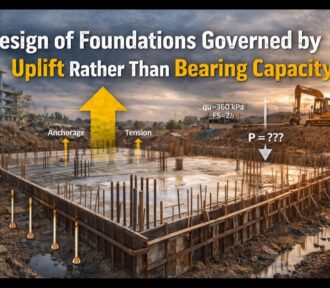
This article takes a direct position: if uplift governs, bearing capacity becomes irrelevant beyond equilibrium.

This article explains crane safety in practical terms. It describes common crane types, how they work, and the main risks involved.

Eurocodes have changed how pile loads are presented and how pile resistances are designed. The UK Federation of Piling Specialists developed the E-Pile Schedule to meet these new requirements. This article explains the benefits of using a standard pile schedule for Eurocode design.

This article examines the technical causes of failure in freestanding walls, retaining walls, motorway signage, vehicle barriers, lighting columns, cantilever masts, and tower crane foundations.
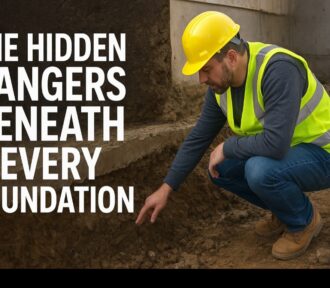
This article explores the hidden risks beneath foundations and how to avoid them before they become fatal
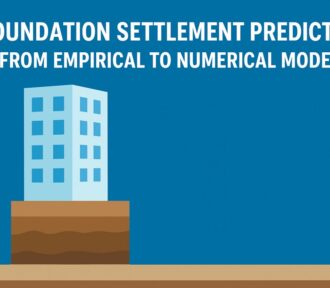
This article explores the evolution and current state of foundation settlement prediction. It compares empirical, analytical, and numerical approaches, identifying their strengths, assumptions, and application contexts.
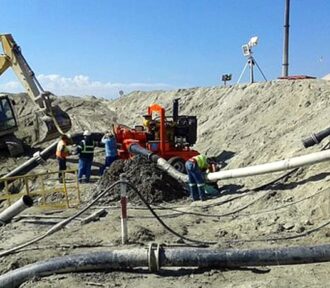
Designing foundations for challenging ground conditions requires technical skill, sound judgment, and deep respect for the ground’s complexity. Every problematic soil type presents its own difficulties, from compressibility to swelling or collapse.
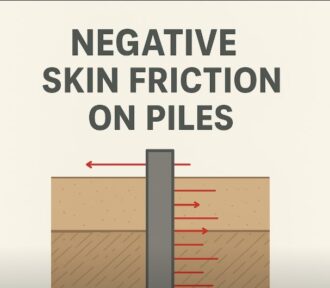
This article explores negative skin friction in depth, highlighting causes, mechanisms, calculations, and practical design strategies.